على مدى ثلاثة آلاف عام، شكّل بحر إيجه والخليج العربي ملتقيين بحريين بارزين ضمن نطاق جغرافي متقارب نسبيًا على سطح الكرة الأرضية. وغالبًا ما تُقترن اليونان بالنحت التشخيصي والتمثيل الطبيعي، في حين تُعرَف ثقافات الخليج، ولا سيما في مرحلة ما بعد الإسلام، بفنون الخط والهندسة والزخارف الدقيقة. غير أنّ ما يتوارى خلف هذه الفوارق الظاهرة يتجاوز حدود الجغرافيا البحتة؛ إذ تكمن أوجه تشابه في الأساطير المؤسسة، وفي العناية بالنظام والقياس، وفي المبادئ التي تنظّم الفضاء العام، وفي تحويل الذاكرة الجمعية إلى موادّ باقية. ومن هذا المنطلق، نستعرض بعض أوجه التوازي الرئيسة من العصور القديمة حتى الحاضر.
بحر إيجه والخليج: تقاطعات في الفن والفضاء والخيال المدني
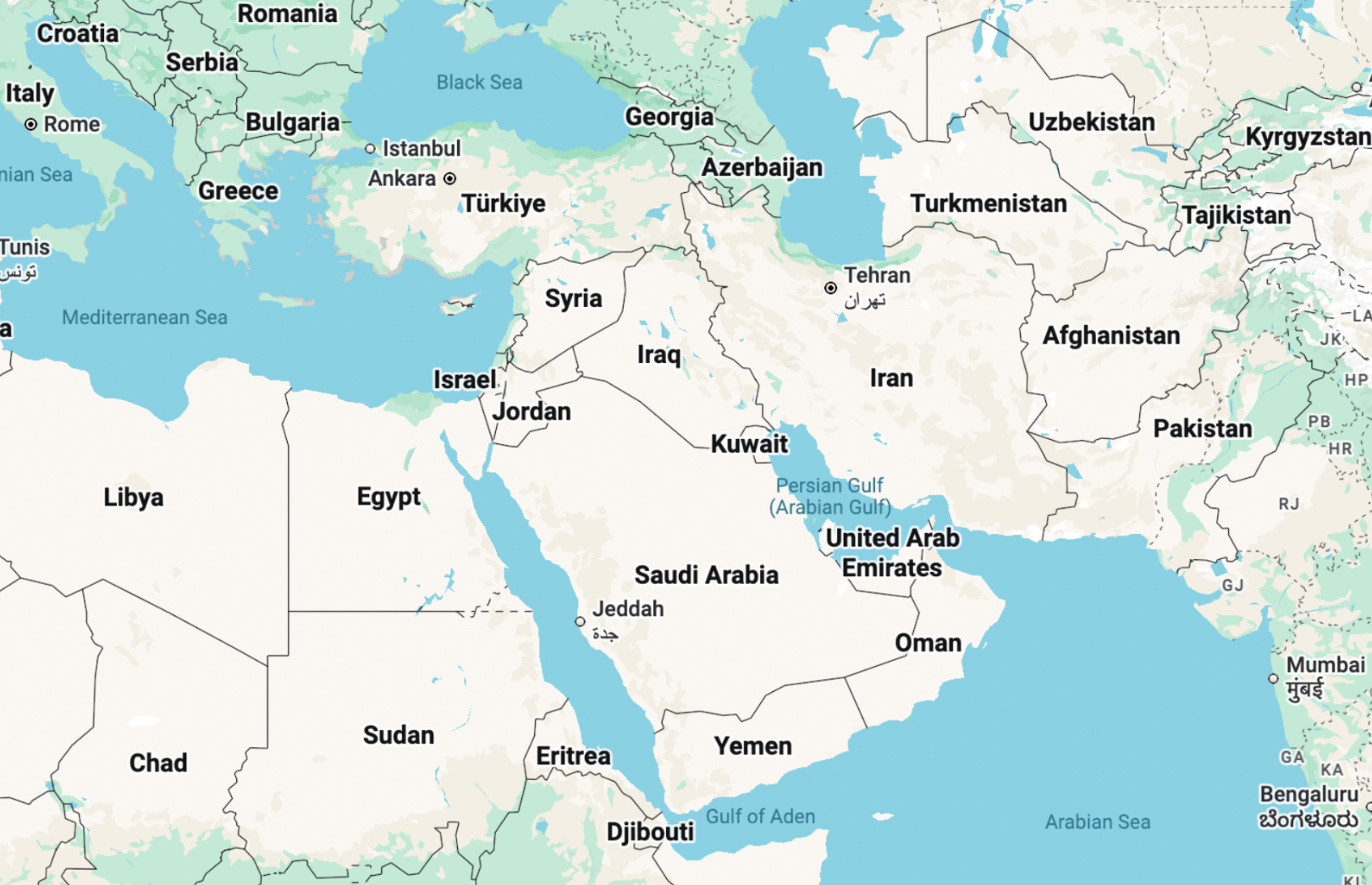
خريطة للمنطقة الممتدة من البحر الأبيض المتوسط إلى بحر العرب
الأسطورة والشعر
من أبرز أوجه التشابه بين الحضارتين القديمتين ما يتجلى في أساطيرهما وسردياتهما الملحمية. فقد شكّل الشعر والتقاليد الشفوية الأساس الذي قامت عليه التعبيرات الفنية في كلتا المنطقتين، معبّرين عن تقدير عميق للغة وقدرتها على نقل العاطفة، وصون التاريخ، وإيصال الحكمة.
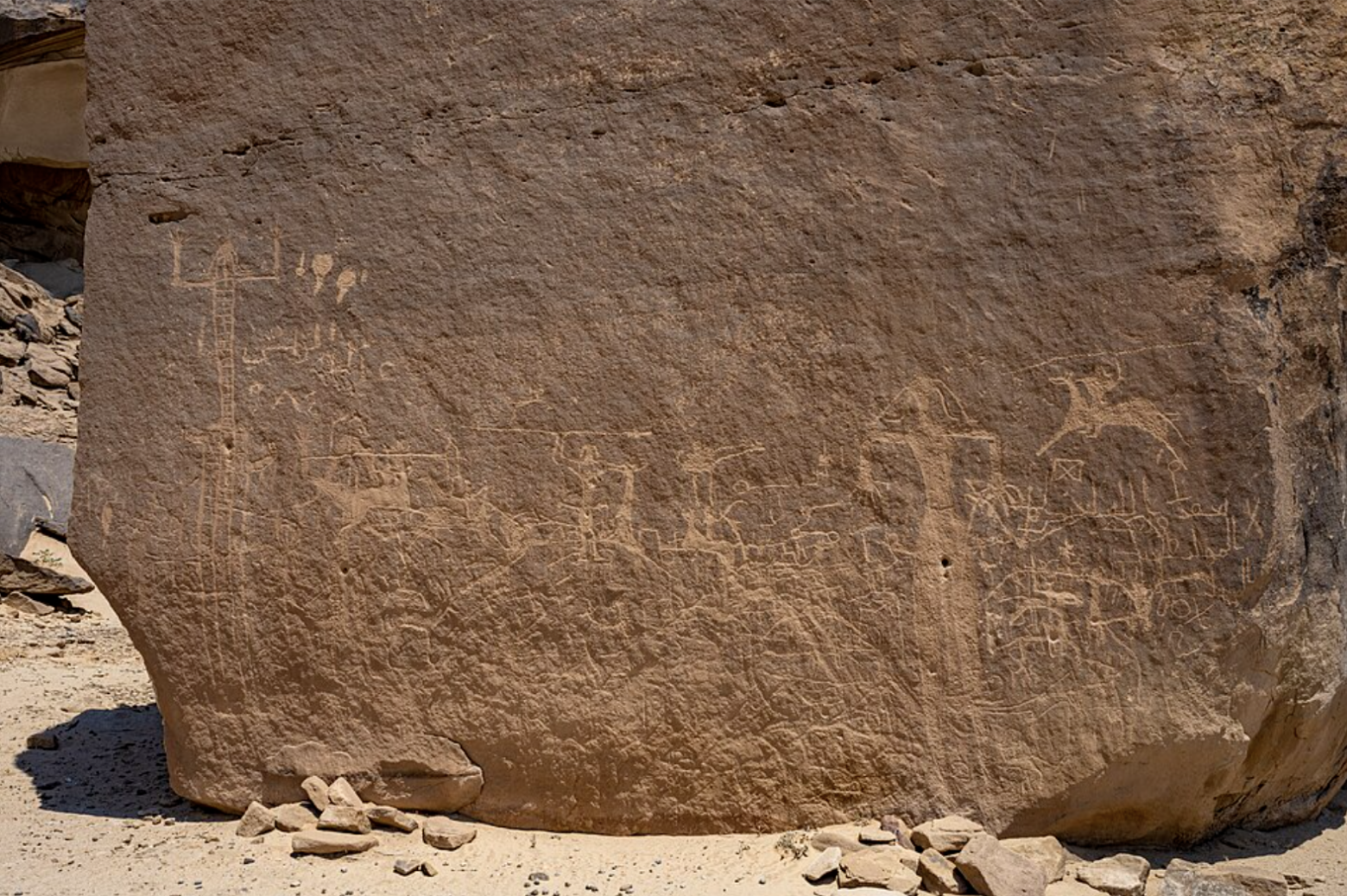
نقوش صخرية لمحاربين من موقع بئر حِمى في المملكة العربية السعودية المعاصرة، تصوير: هيئة التراث
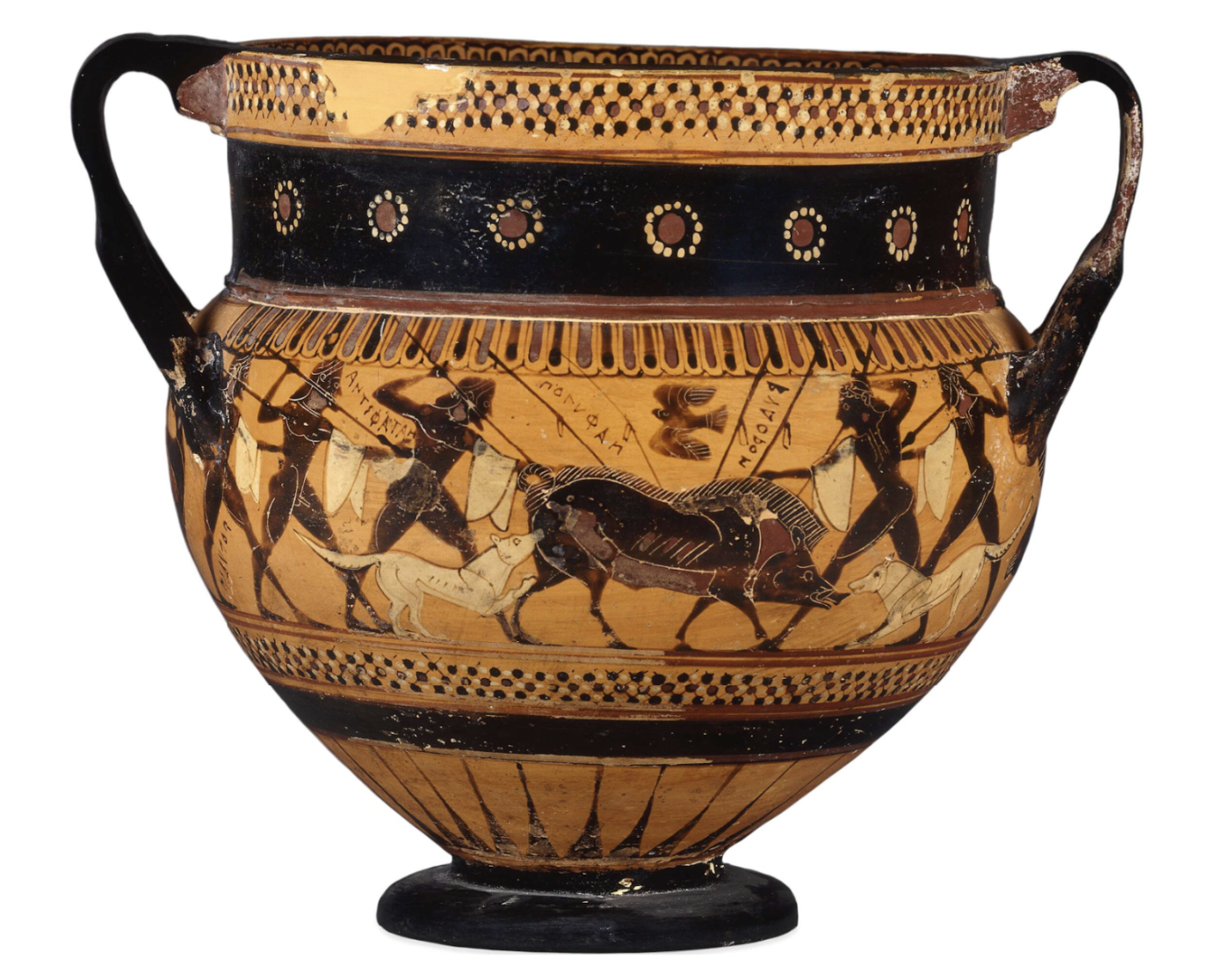
أمفورا يونانية بمنظر صيد، تصوير: المتحف البريطاني
كان المجتمع اليوناني القديم مشبعًا بمجمعٍ ثري من الآلهة والإلهات، وقد خُلّدت ملاحمهم البطولية في القصائد الهوميرية مثل الإلياذة والأوديسة. تناولت هذه السرديات موضوعات المصير، والشرف، والشجاعة، وطبيعة التدخل الإلهي المتقلبة في كثير من الأحيان، وأسهمت في صياغة القيم الأخلاقية وتقديم تفسيرات لظواهر العالم الطبيعي.
وبالمثل، طوّرت الثقافات العربية قبل الإسلام، ثم المجتمعات الإسلامية لاحقًا، تقاليد شفوية معقّدة تزخر بصور الجنّ، والأبطال ذوي المكانة، وروايات الفتوحات القبلية والإشكاليات الأخلاقية. كما أثّرت ملحمة جلجامش، ذات المنشأ الرافديني، تأثيرًا عميقًا في السرديات اللاحقة في المنطقة، بما في ذلك عناصر تتردد أصداؤها في أنماط الحكي الإسلامي.
وقد تجلّت هذه التقاليد الشفوية في أشكال فنية أكثر مادية، مثل النحت، والفخار، والتصوير، حيث انتقلت من فضاء الرواية الشفوية إلى التعبير البصري الملموس.
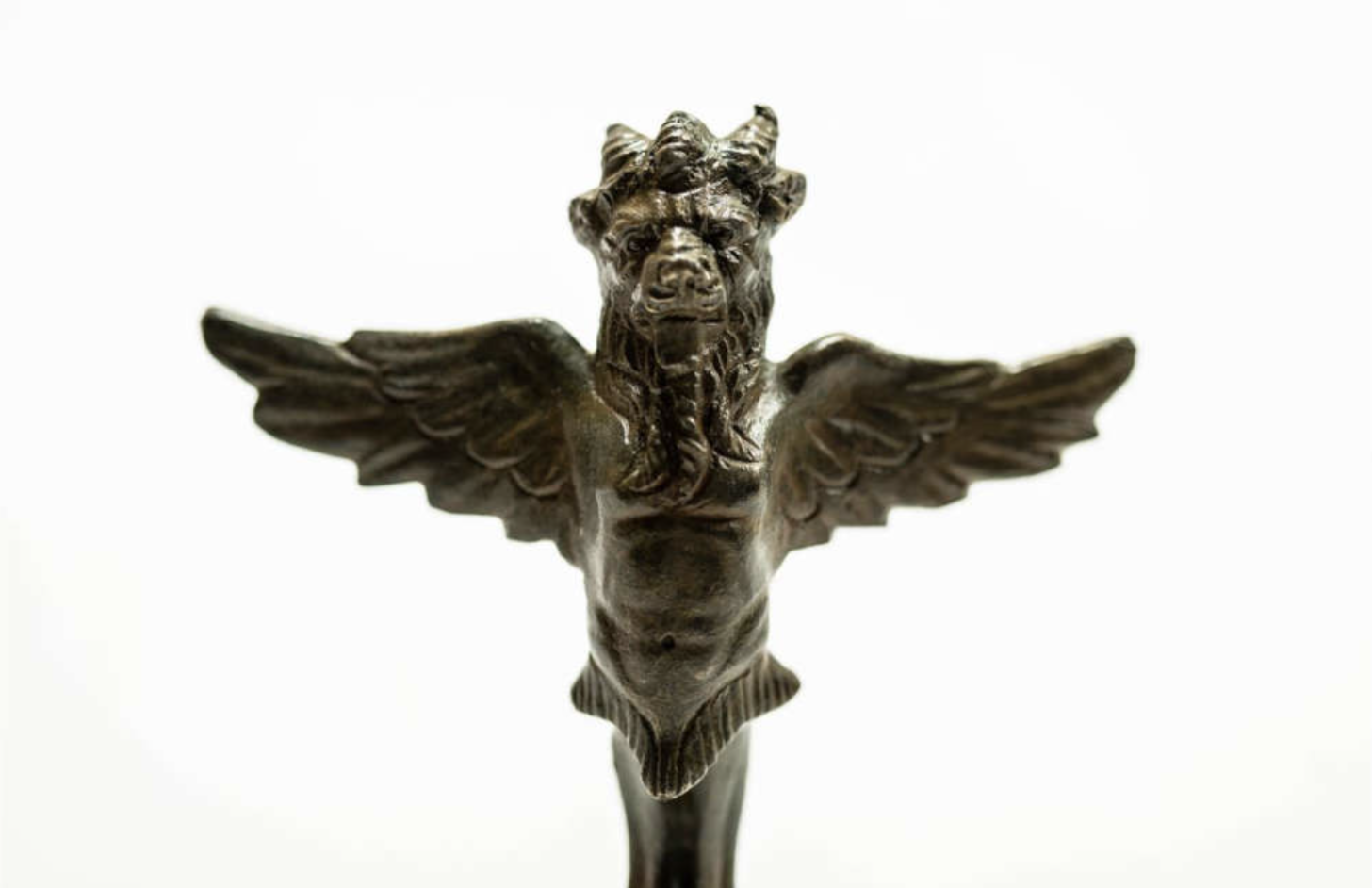
كائن أسطوري مُستخرج من موقع مليحة في دولة الإمارات العربية المتحدة، تصوير: المكتب الإعلامي لحكومة الشارقة
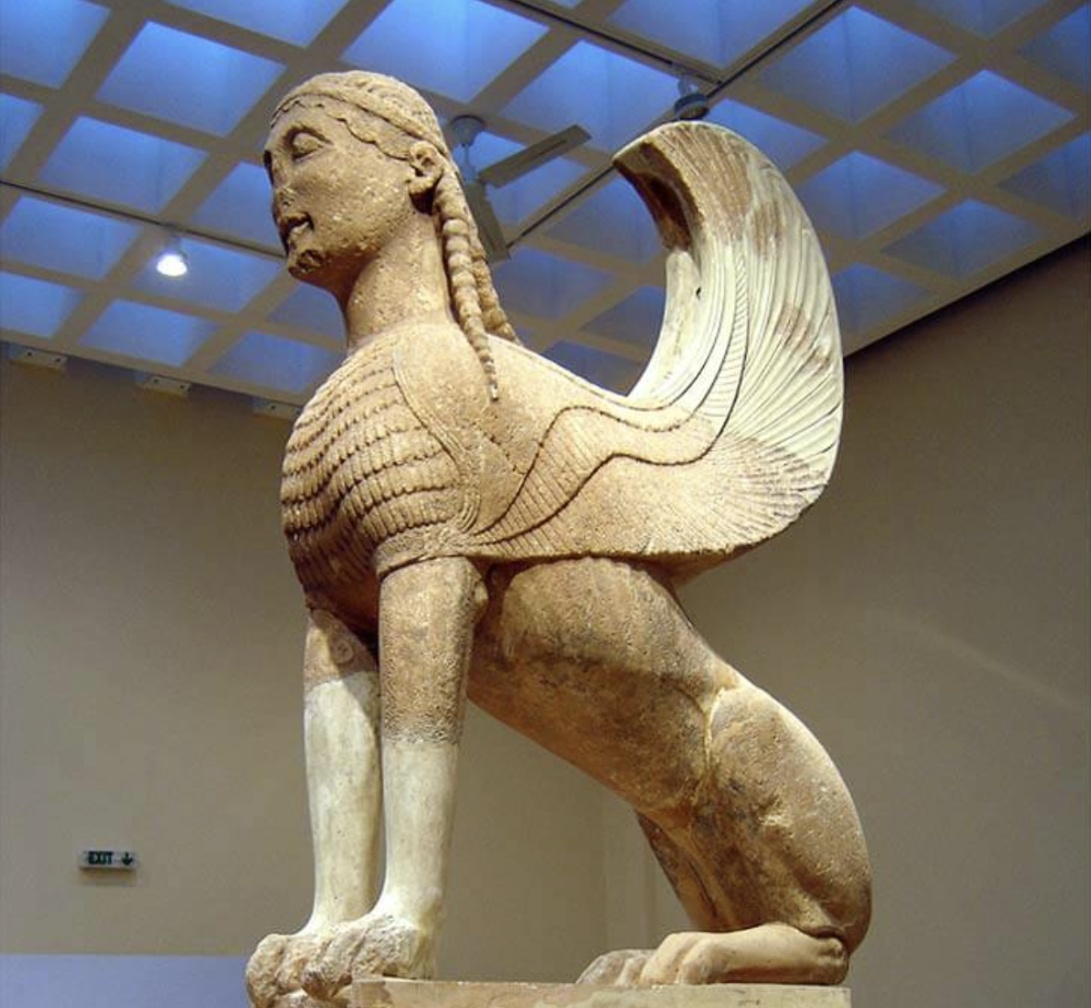
أبو الهول لناكْسوس، تصوير: المتحف الأثري في دلفي
المناخ والمواد والضوء
في كلتا المنطقتين، أفضت فصول الصيف الحارة والجافة إلى ابتكار حلول معمارية متقدمة. ففي اليونان، أسهمت البيوت ذات الأروقة المحيطة (البيريستيل)، والأفنية الداخلية، والممرات المسقوفة في تلطيف الحرارة عبر الظل والتهوية المتقاطعة وحضور الماء. وفي منطقة الخليج، نظّمت جدران الحجر المرجاني، والأفنية المنغلقة على الداخل، ومشربيات الخشب، وأبراج الرياح (البراجيل) حركة الهواء والظل. ولم تكن هذه العناصر مجرد وسائل وظيفية، بل أسهمت في صياغة جمالية خاصة للضوء.
كما عززت المواد المختارة هذا التفاعل مع المناخ الطبيعي؛ فقد حوّلت الرخام والبرونز والطين المشوي في اليونان — بما كان يزيّنه من تذهيب وتلوين اندثر مع الزمن — أشعة الشمس إلى بريق رمزي. وعلى نحو مماثل، أبرز الحجر المرجاني، والجص، والخشب المحفور، وأصداف اللؤلؤ، والمشغولات المعدنية في الخليج حضور الضوء ذاته. ويجد لمعان البرونز في معابد اليونان صدىً له في تطعيمات اللؤلؤ على الصناديق الخليجية أو في وميض البلاط المزجّج. ففي كلتا المنطقتين، يتحول ضوء البحر الساطع إلى مادة قائمة بذاتها.
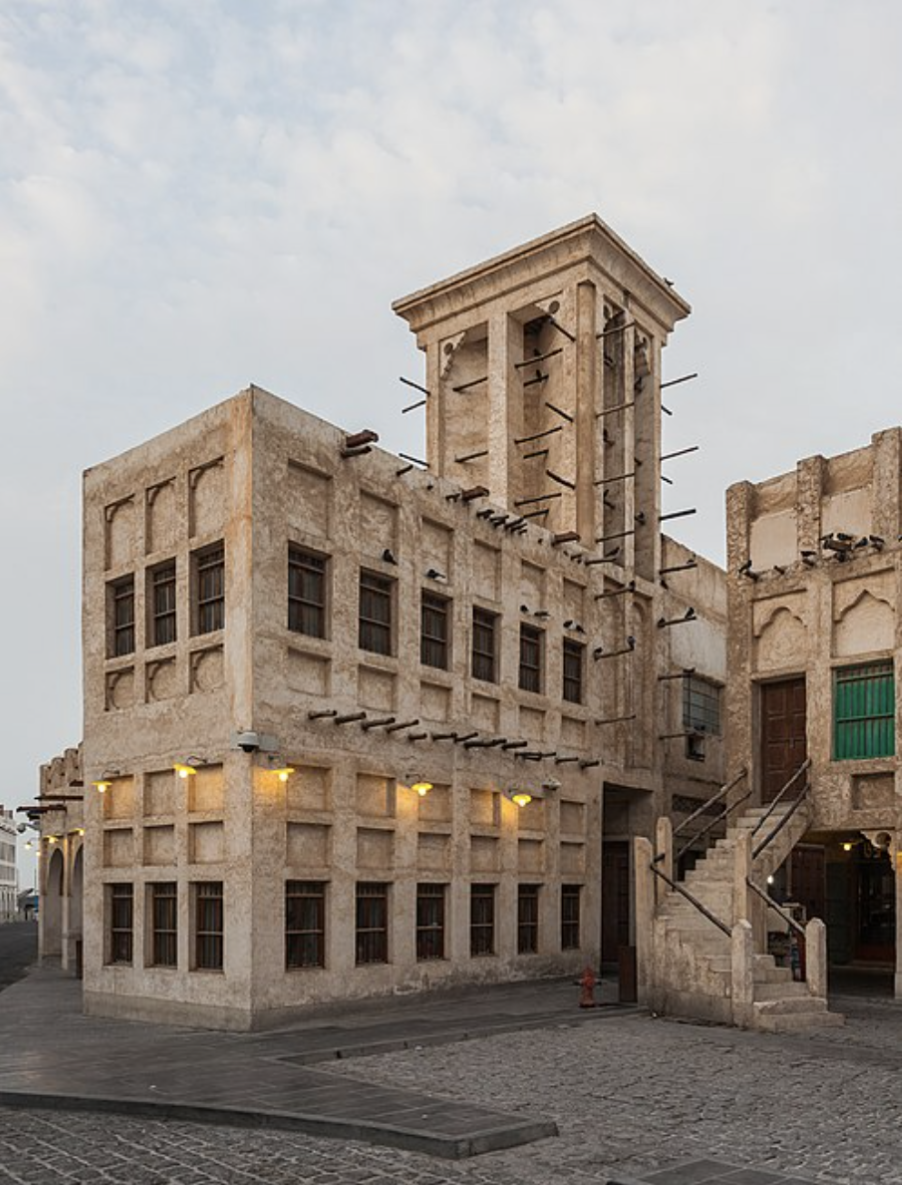
برج رياح في الدوحة، قطر، تصوير: دييغو ديلسو
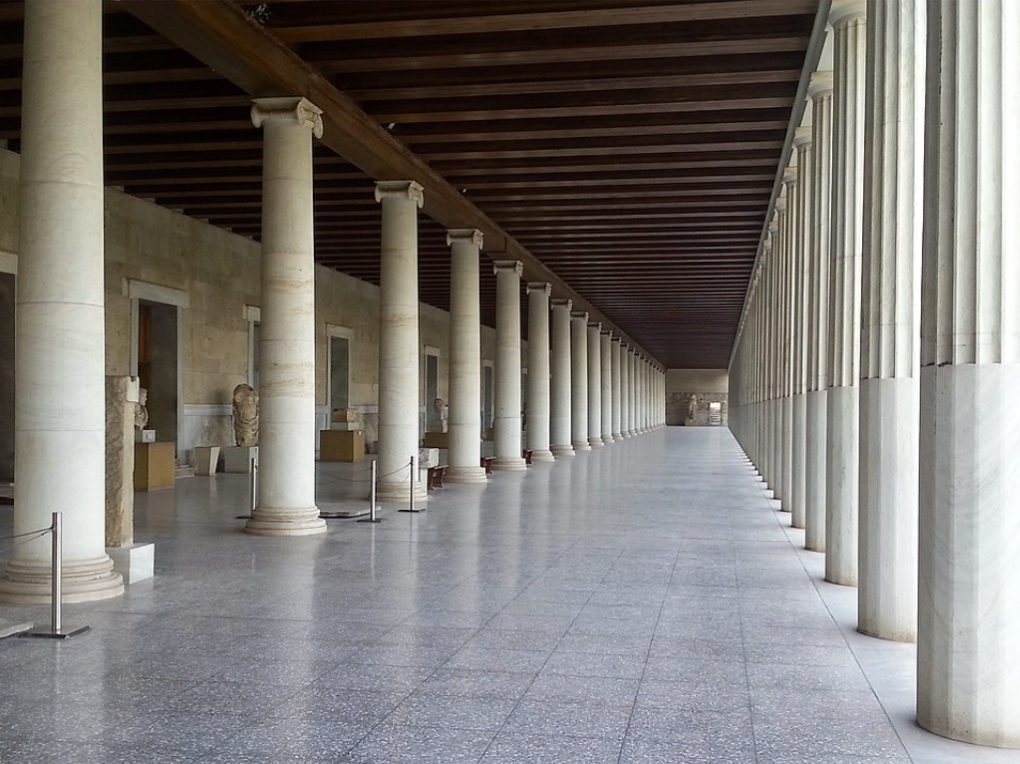
إعادة بناء لرواق يوناني (ستوا)، تصوير: ماسيمو بيغليوتشي
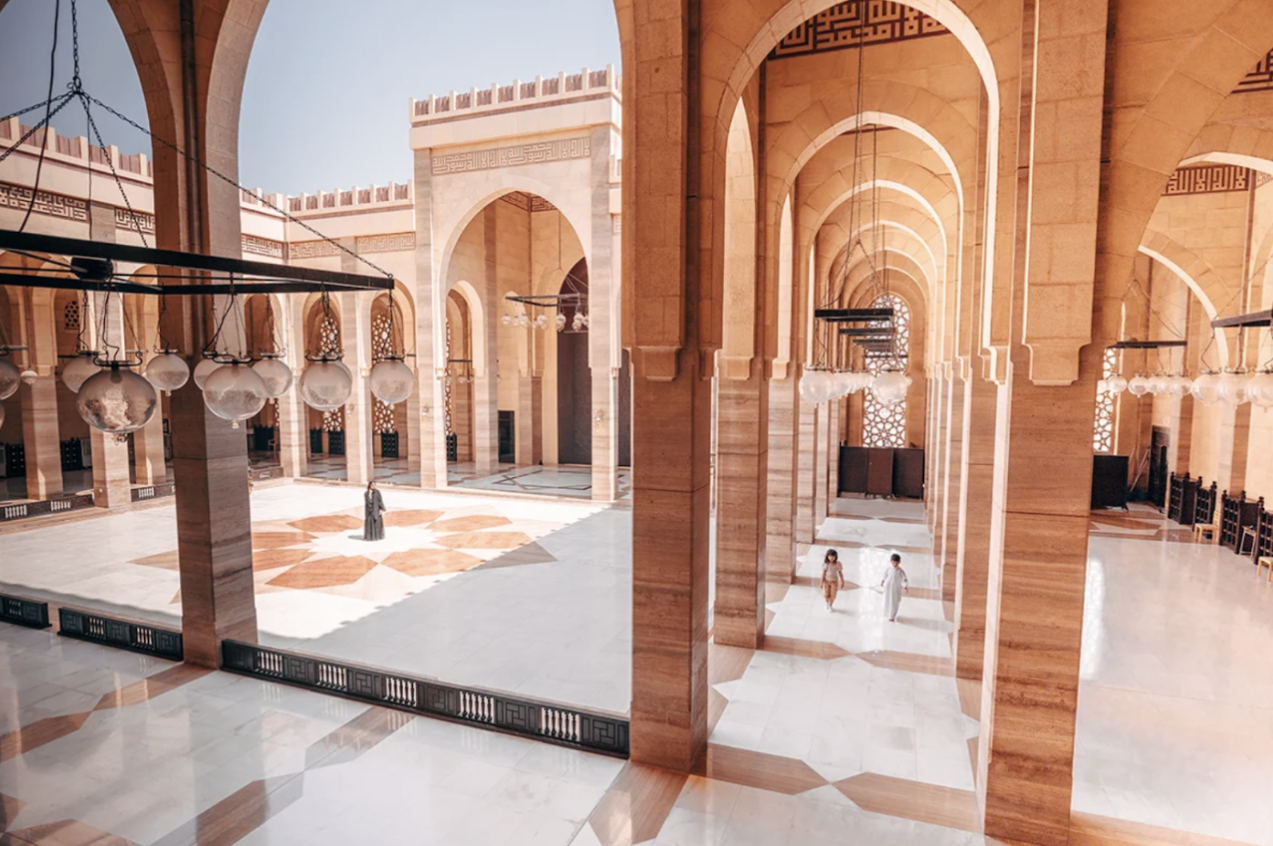
مسجد الفاتح، البحرين، تصوير: Bahrain.com
النظام بوصفه قيمة جمالية
تجسّد التماثيل والمعابد اليونانية مفاهيم النِّسَب والإيقاع والتماثل؛ فهي أشبه بتجسيد مرئي لنظرية فيثاغورس. أما في أنظمة الفن في منطقة الخليج، فيتبلور النظام عبر الهندسة والزخرفة والخط القرآني، حيث تتحول التكرارات إلى فعل تأمّل. تمنح إحدى التقليدين الأولوية للمُثل المقاسة، فيما يترجم الآخر الوحي إلى منطق بصري قائم على الخط والمنحنى. ومع ذلك، يسعى كلاهما إلى تحقيق النظام والتوازن.
وتشترك الشواهد الكتابية اليونانية والخطوط الإسلامية — على اختلافهما في اللاهوت والشكل — في الإيمان بأن النص صورة ووعاء للذاكرة. وفي كلتا الحالتين، لا تنفصل الجمالية عن أخلاقيات التناسب: أي عن الكيفية التي ينبغي أن تنتظم بها الأشياء في علاقات صحيحة ومتوازنة.
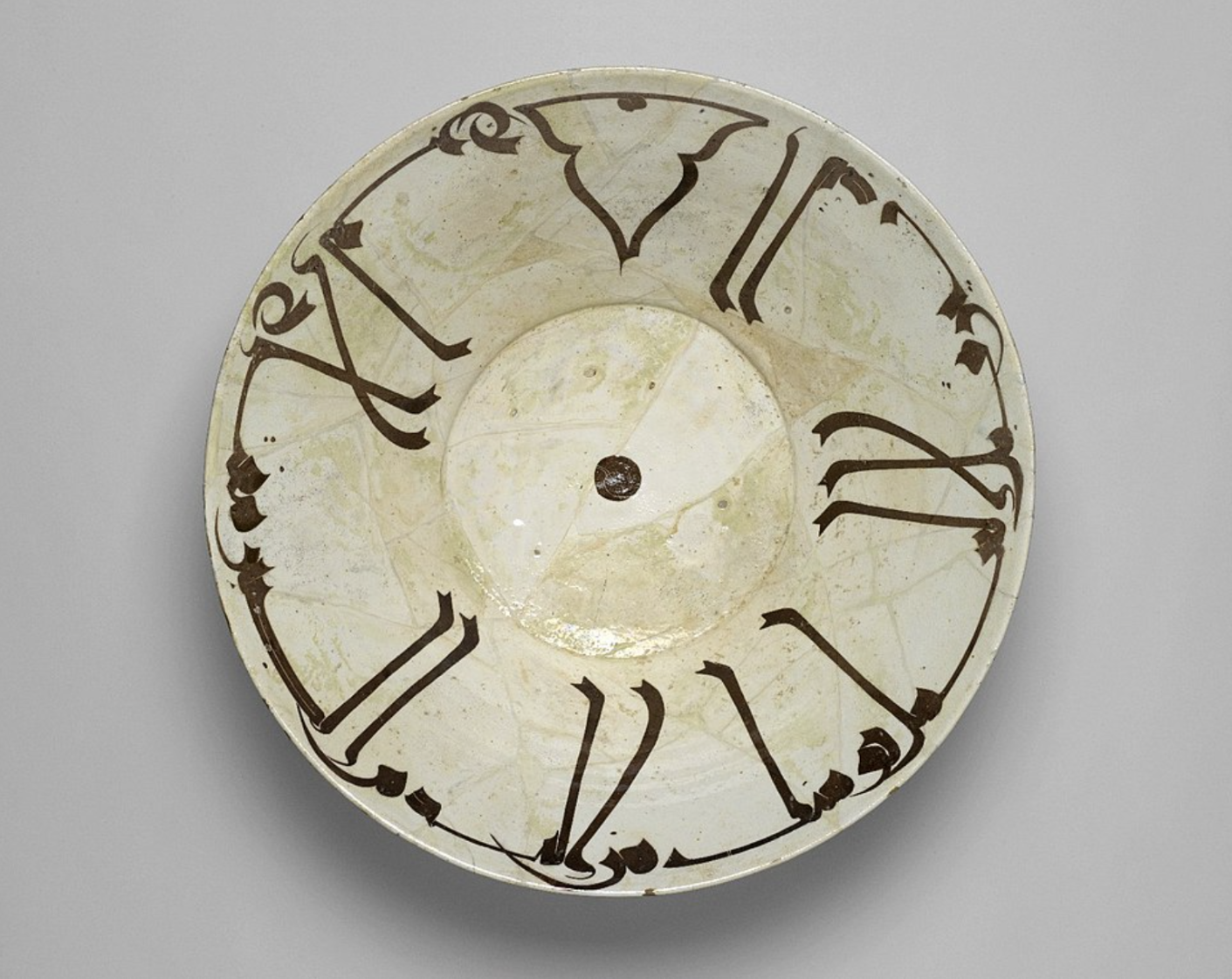
وعاء مزخرف بخط كوفي، تصوير: متحف بروكلين
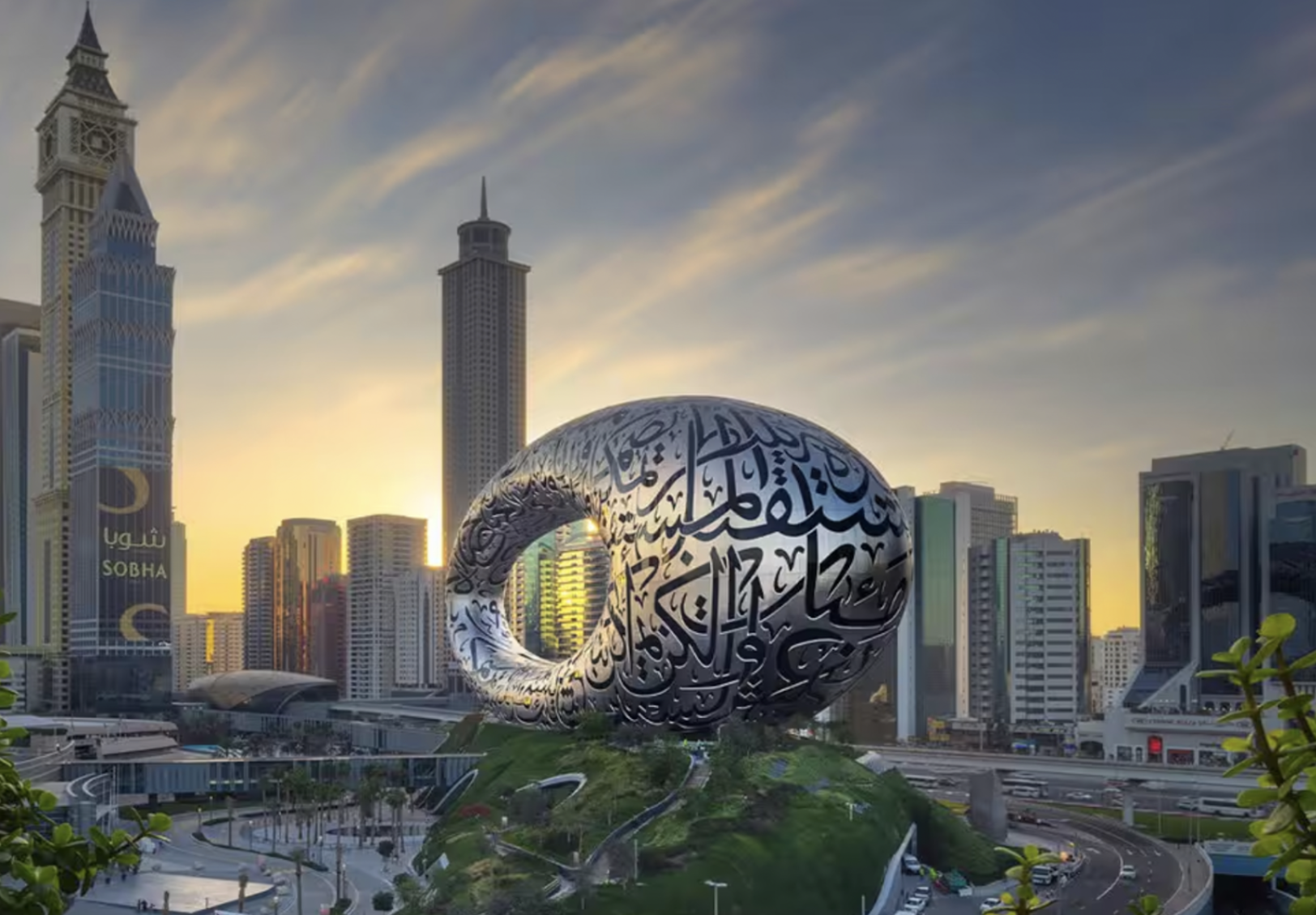
متحف المستقبل في دبي، الإمارات العربية المتحدة، تصوير: Visit Dubai
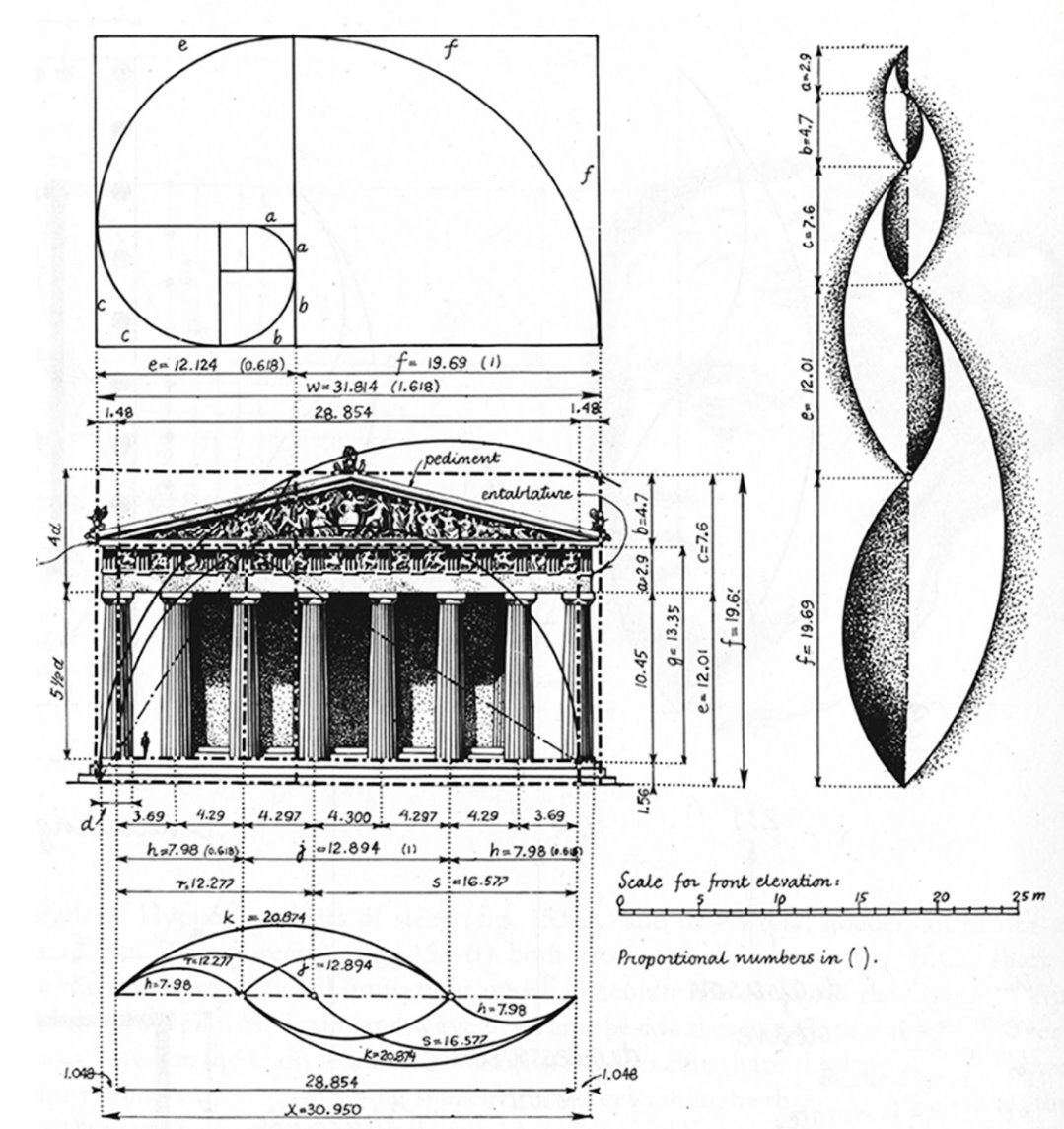
النسبة الذهبية في العمارة اليونانية
الفضاء المدني والضيافة
تحظى الحياة العامة بأهمية بالغة في كلتا المنطقتين. فقد أسهمت الأغورا والمسرح في اليونان في تشكيل فضاءات الحوار والنقاش، بينما نظّم السوق والمجلس ومسجد الجمعة في الخليج مسارات المشورة والتبادل وإيقاع الزمن الجماعي. وعلى مدى قرون، احتلّ الأداء موقعًا محوريًا في الثقافتين: الدراما الكورالية في إحداهما، والشعر الشفهي وفنون الإلقاء في الأخرى. وفي هذا السياق، يغدو الفن وسيطًا مدنيًا لا ترفًا خاصًا. فكان التمثال النذري أو الشاهد التكريمي في المدينة اليونانية يرسّخ ما يُعدّ محل تقدير لدى المواطنين، كما أدّى الباب المنحوت، أو النقش القرآني، أو الإفريز الهندسي في مسجدٍ أو بيت تاجر في الخليج وظيفة ثقافية مماثلة، إذ ربط المجتمع بقيمه المشتركة.
وتُترجم العناية بالضيافة هذه القيم إلى أخلاقيات مكانية. ففي البيئات المنزلية والمدنية اليونانية، يُنظَّم الوصول عبر تسلسل مدروس: مدخل مظلّل، فناء بارد، موضع للجلوس. أما في بيوت الخليج ومجالسه، فتتجسّد طقوس الاستقبال في العتبات وتراتبية الجلوس، مع ما يصاحبها من تقديم الماء والقهوة والخبز، وهي عناصر تتردد أصداؤها في المواد والزخارف.
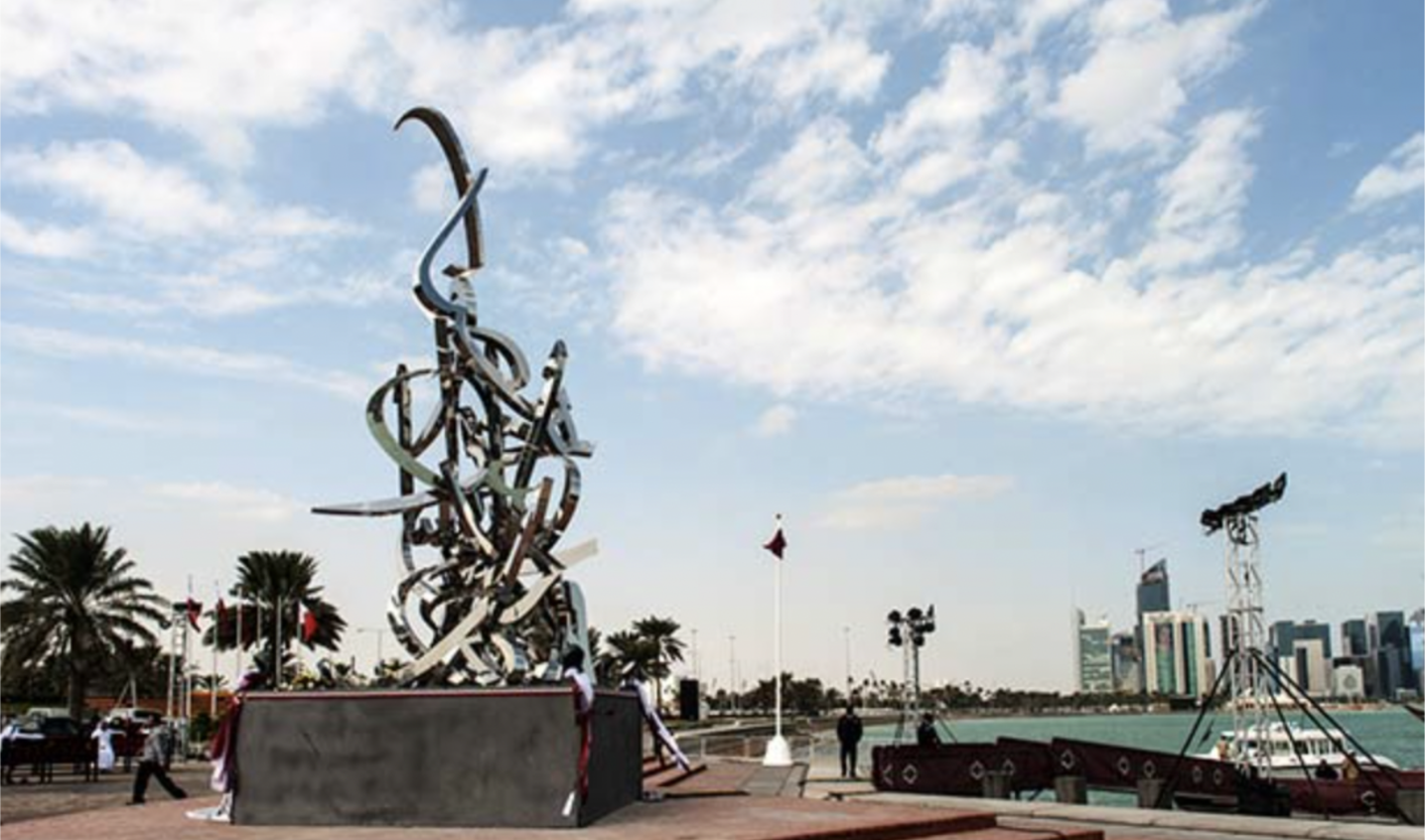
تمثال الخط للفنان صباح أربيلّي، الدوحة، قطر، تصوير: مجلة الفنون الإسلامية
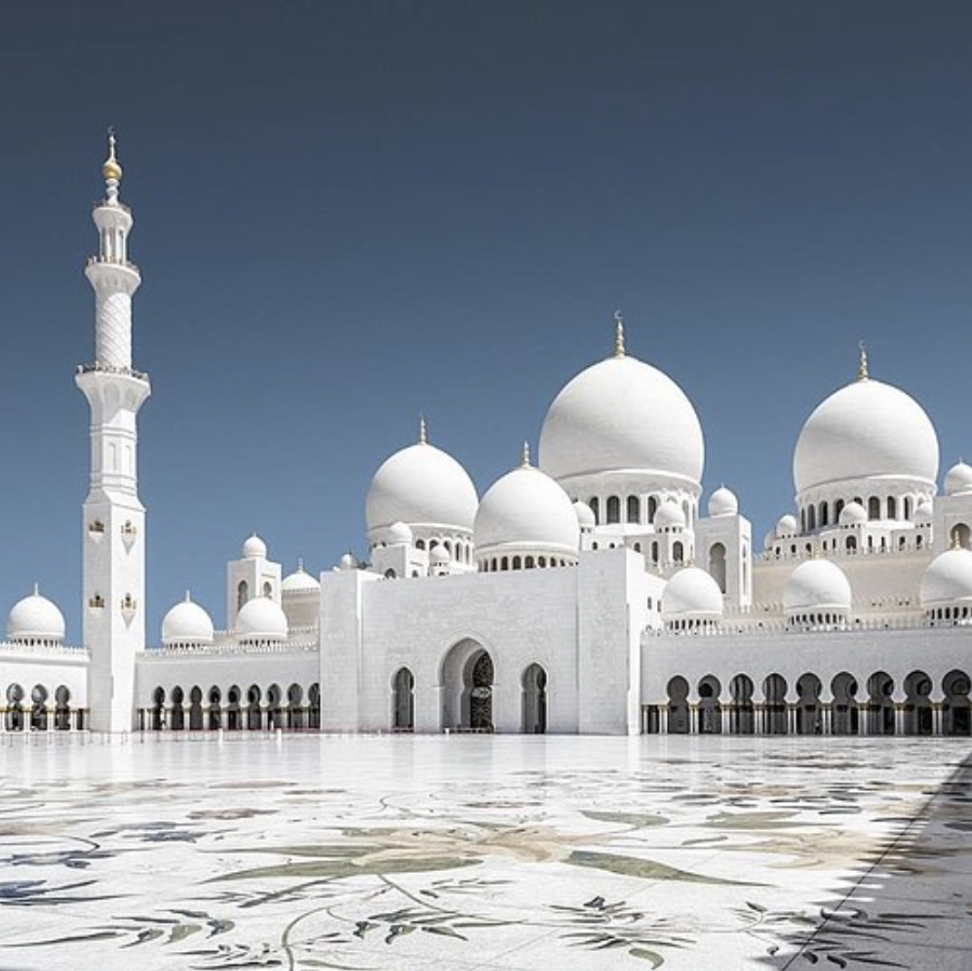
ساحة الفناء في مسجد الشيخ زايد، أبوظبي، الإمارات العربية المتحدة، تصوير: Wikiemirati
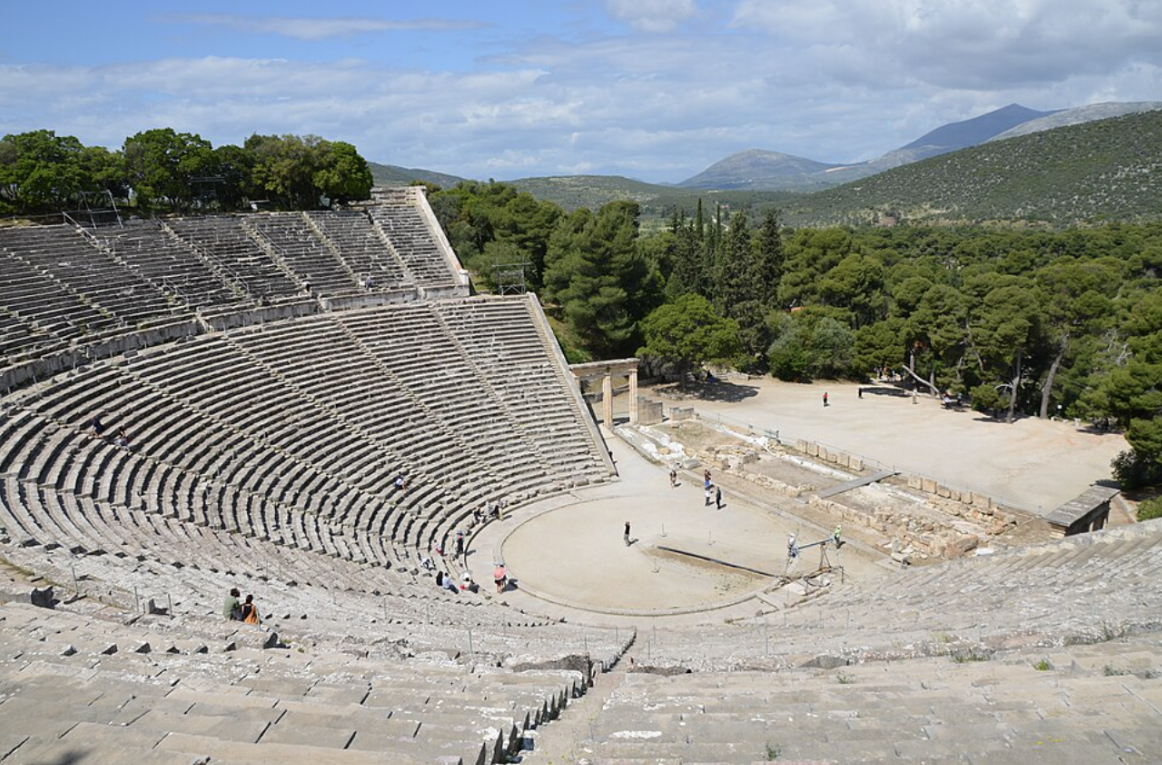
المسرح القديم في إبيداوروس، تصوير: كارول راداتو
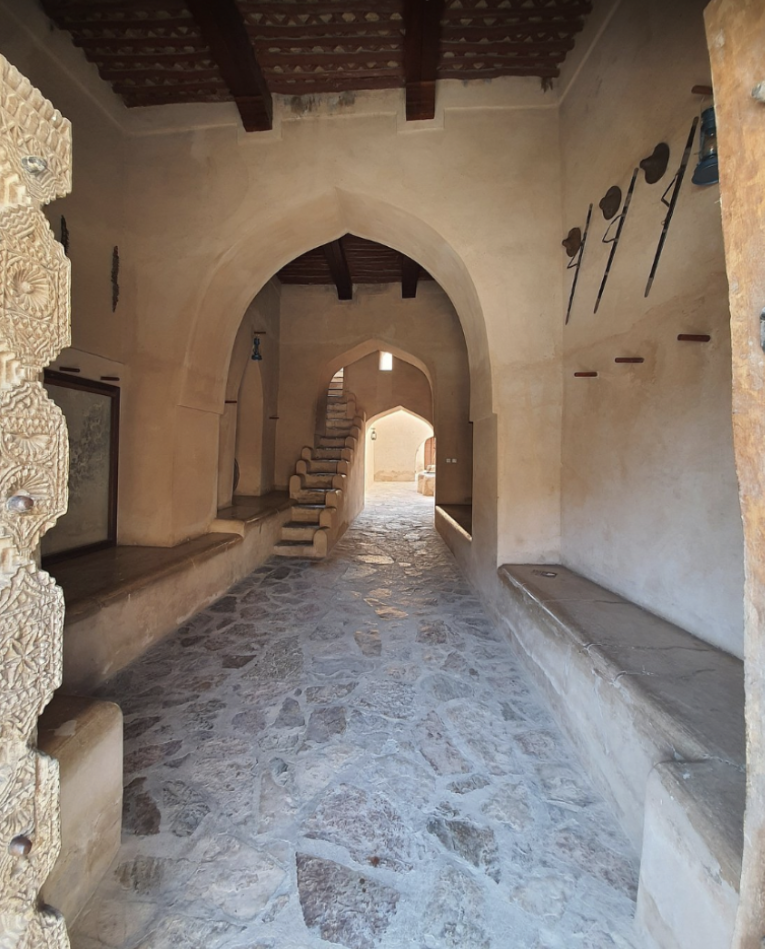
مدخل حصن نزوى، عُمان
استمراريات معاصرة وتقنيات حديثة
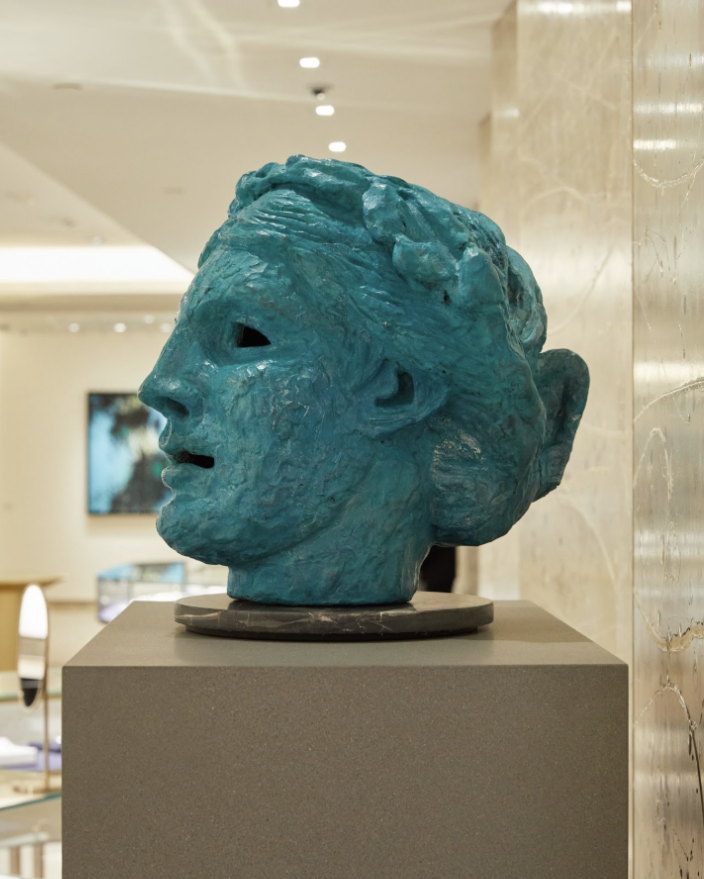
في الحاضر، توظّف كلتا المنطقتين إرثهما الثقافي لسرد هويتهما. فتركّز اليونان على صون مواقعها الأثرية إلى جانب مشهد فني معاصر يتحاور مع العصور القديمة — عبر سلسلة من الفنانين (ومنهم جورج بتريدِس) الذين يستحضرون الأطلال، ويعيدون صياغة الشظايا، أو يستكشفون سياسات الذاكرة. أما دول الخليج فقد أنشأت مناطق ثقافية، وبيناليات، وبرامج للفن العام، مترجمةً الخط والهندسة والتقاليد الشفوية إلى مفردات نصبٍ جديدة. وتستعيد التكليفات الفنية المعاصرة روح الرعاية القديمة، لكن بأدوات حديثة، كما يتجلى في المنحوتات العامة المعروضة في المستشفيات، والجامعات، والواجهات البحرية، والساحات، ومحطات النقل، حيث تنبض الحياة اليومية.
لقد تغيّرت الأدوات، غير أن القيم الكامنة تظل مألوفة. فاليوم يجرب النحاتون والمعماريون تقنيات المسح الرقمي، والتصميم البارامتري، وآلات التحكم الرقمي (CNC)، والسبك، والطباعة ثلاثية الأبعاد واسعة النطاق، مع الحفاظ على الحسّ اللمسي للطين أو الجص أو النحت المباشر. وفي كلتا الثقافتين، تظل التكنولوجيا في خدمة التواصل الإنساني وصناعة المعنى.
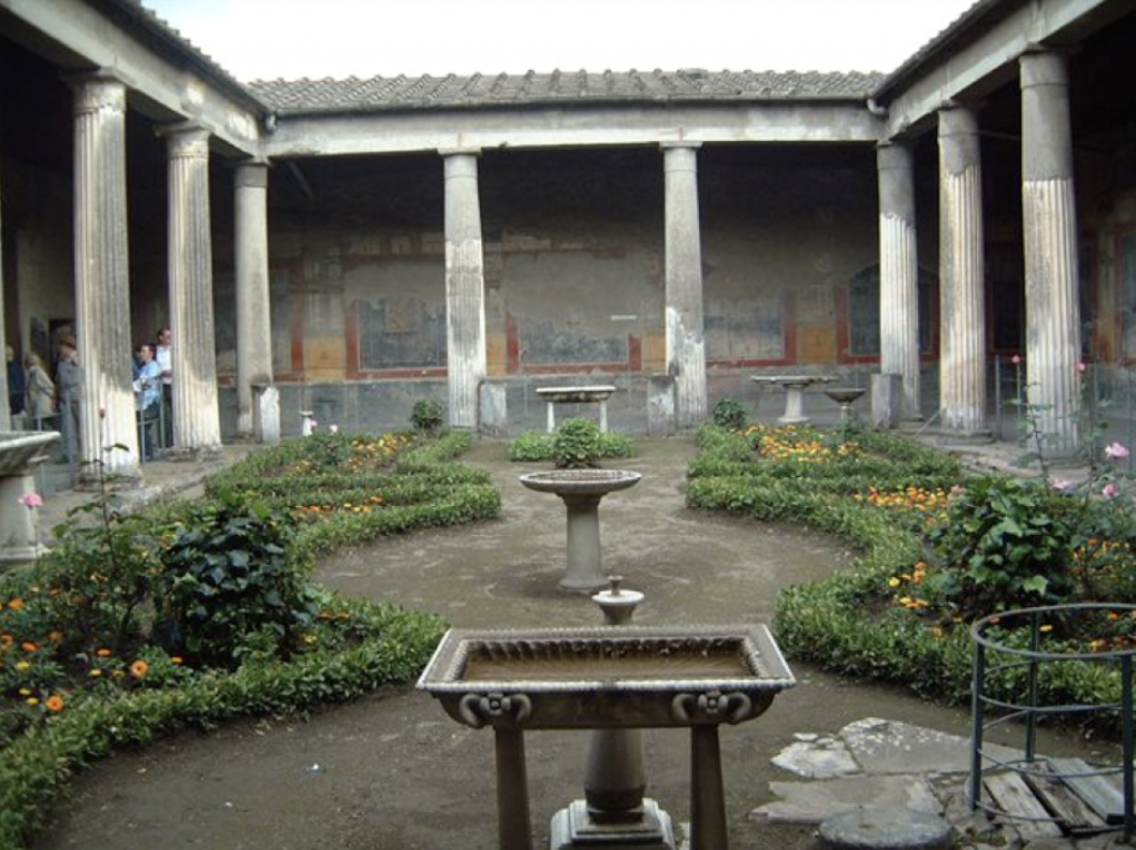
إعادة بناء لفناء يوناني ذي أروقة (بيريستيل)
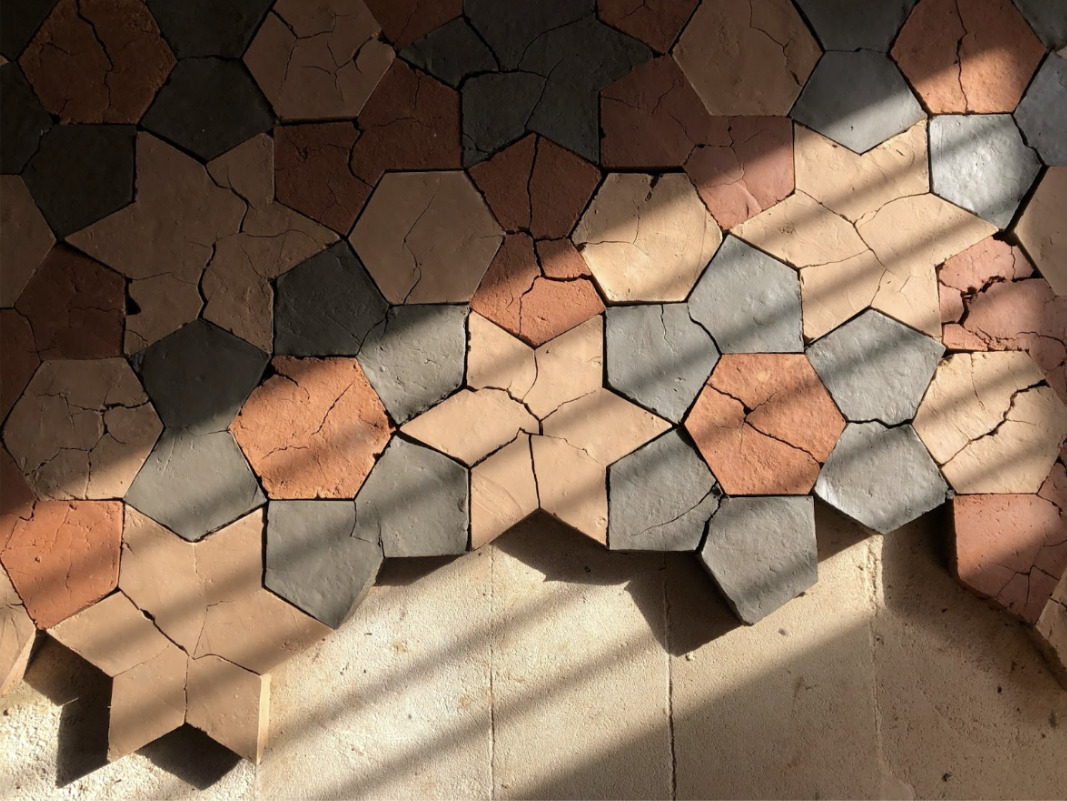
عمل تركيبي لدانا عورتاني (مواليد المملكة العربية السعودية)، «الوقوف عند الأطلال»، 2019
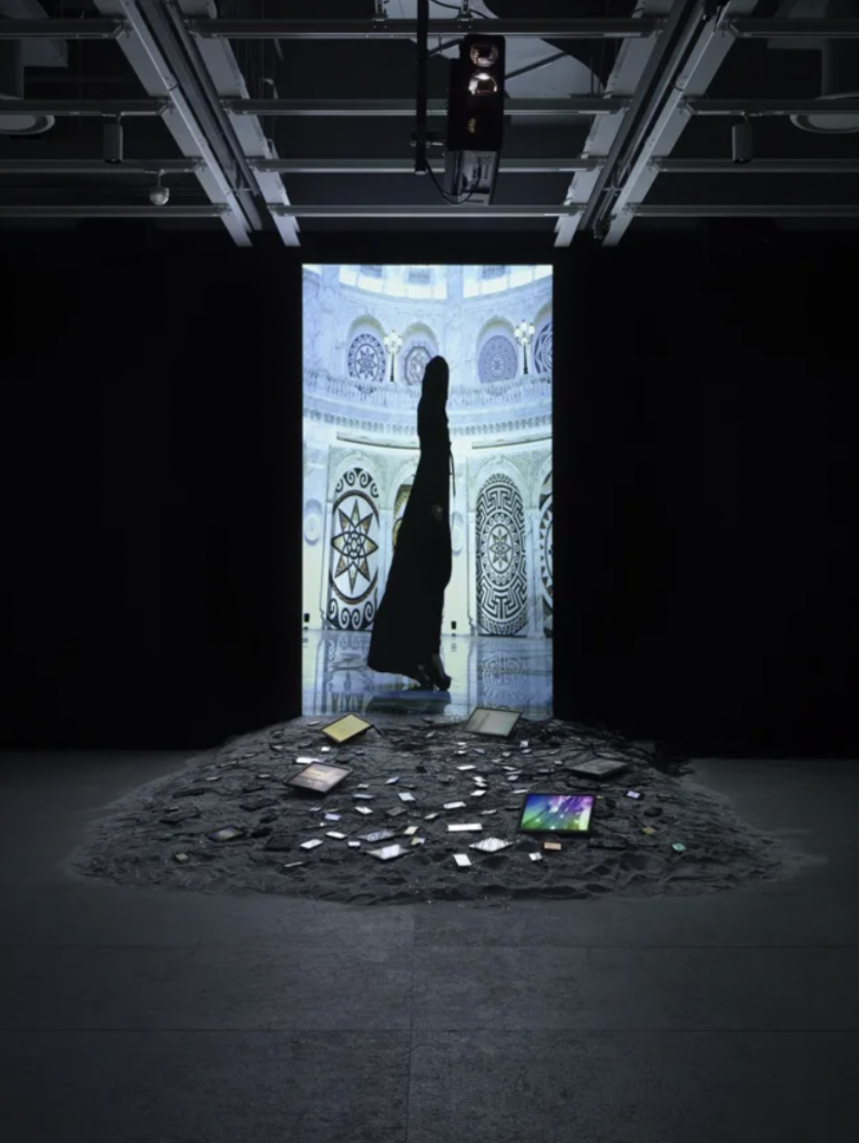
صوفيا المريّا (مواليد قطر)، «الجمعة السوداء»، 2016. تصوير: رون أمستوتز، متحف ويتني للفن الأمريكي
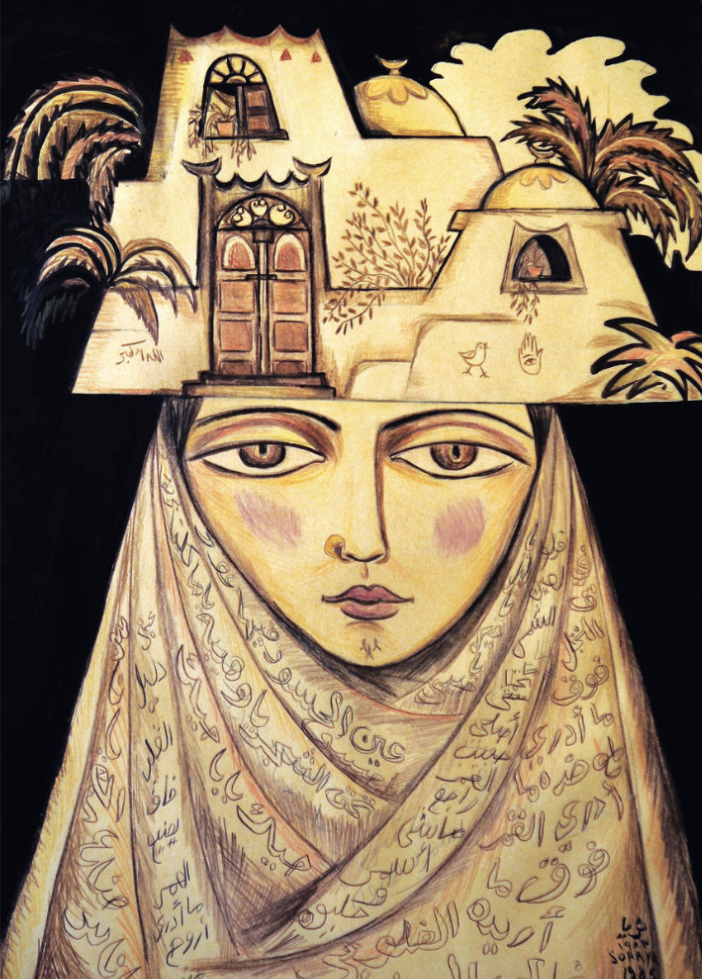
ثريا البقصمي (مواليد الكويت)، «العودة إلى القرية»، 1985. تصوير: الفنانة
خاتمة
إن تتبّع أوجه التشابه لا يعني محو الاختلافات. فالفن اليوناني يُبقي الجسد الإنساني في المركز حتى وهو يتطلع إلى الإلهي، بينما يمنح الفن في منطقة الخليج الأولوية للهندسة والزخرفة بوصفهما مسارات نحو التعالي. كما تسير تاريخيات الفن في اليونان والخليج ضمن أطر لاهوتية وتقاليد مدنية متمايزة.
ومع ذلك، فإن النظر إليهما معًا يكشف عن مخيال ساحلي مشترك: حضارات تُعلي من شأن الحكاية، والتوازن، والانتماء المدني، وتجسّد هذه القيم في صيغٍ باقية. ويكمن مستقبل الفن العام في كلتا المنطقتين حيث كان دائمًا: في الفضاءات التي يلتقي فيها الناس، وتتداول فيها القصص.
رأس ثاليا الثانية، 2022، برونز، لجورج بتريدِس، تيفاني آند كو، ذا لاند مارك، نيويورك